Superstition Scripts: How Cultural Beliefs Shape Bonus Round Triggers in Global Roulette Offerings
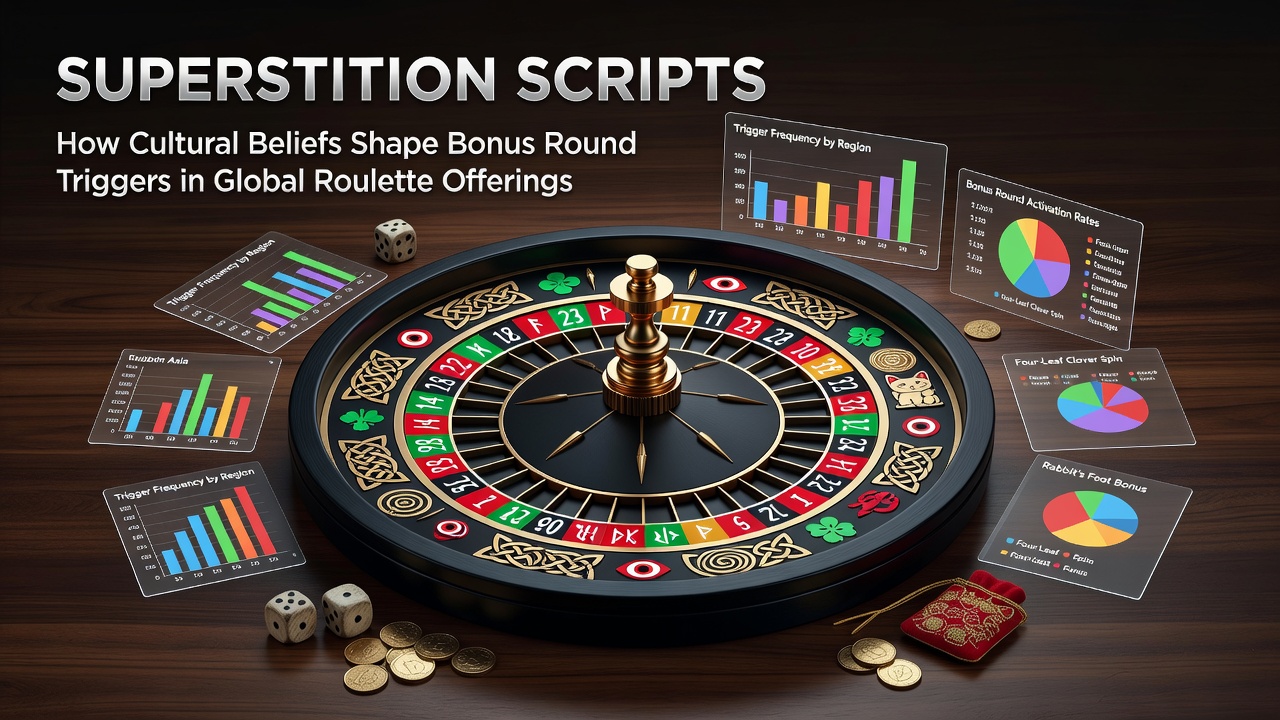
Operators across digital platforms have incorporated cultural superstitions into roulette bonus mechanics for years, and data from multiple markets shows these designs appear in variants tailored to specific regions. Research from academic institutions indicates that number selection patterns and trigger conditions often align with widely held beliefs about luck and avoidance in different societies.
Number Preferences Across Markets
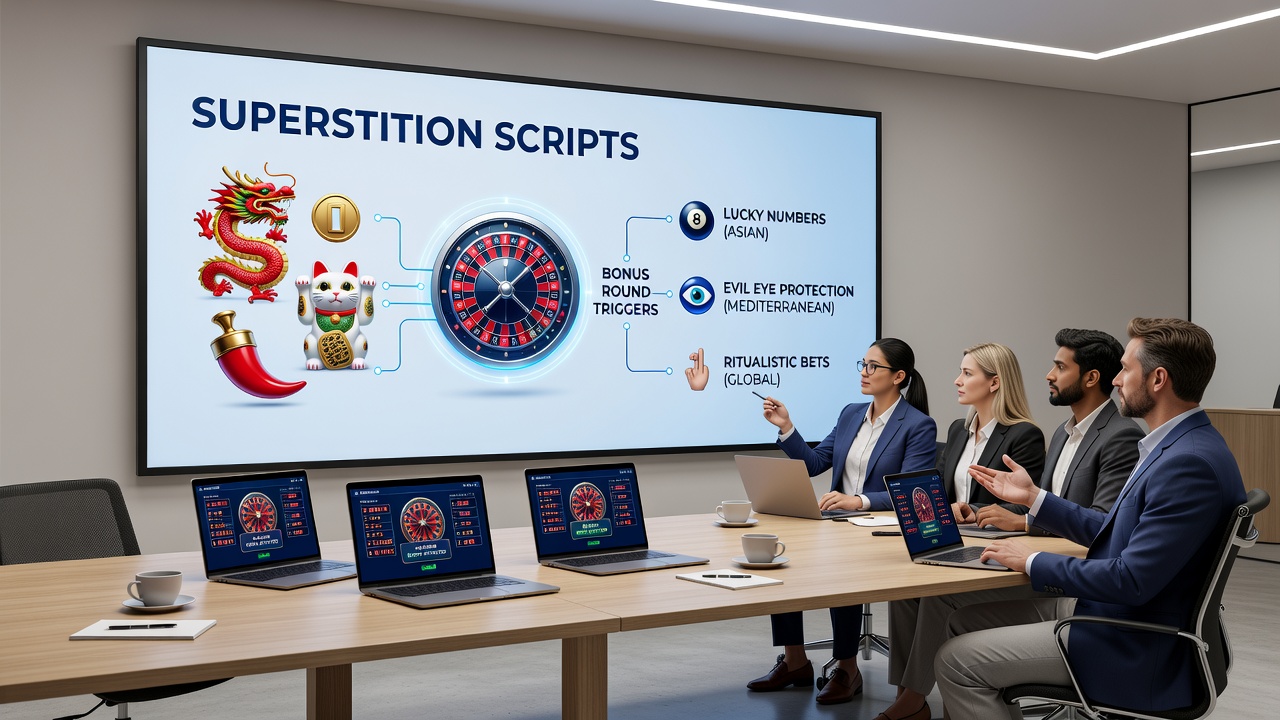
Chinese-speaking player bases frequently encounter bonus activations tied to the number eight, since that digit carries strong associations with prosperity in traditional numerology, whereas sequences involving four often receive deliberate exclusion from trigger sets because of phonetic links to misfortune. European offerings meanwhile integrate seven as a common activation point, drawing from longstanding associations in Western traditions, and developers adjust random number generator scripts accordingly to produce these outcomes at rates that match observed player preferences in those jurisdictions.
Japanese market versions sometimes emphasize nine or combinations that reference local folklore around fortune cycles, while Latin American releases have featured thirteen in certain bonus entry conditions despite its avoidance elsewhere. Observers note that these choices emerge from player behavior analytics rather than arbitrary decisions, and providers modify the underlying code to increase the frequency of culturally resonant patterns during bonus initiation sequences.
Bonus Trigger Mechanics in Practice
Live dealer studios serving international audiences program wheel segments and side bet options so that specific number clusters activate multiplier rounds or free spin opportunities, and these clusters reflect data collected from regional login patterns. In one documented implementation for Southeast Asian audiences, landing on repeated eights during a qualifying spin sequence unlocks a progressive bonus pool, whereas equivalent triggers in North American versions substitute sevens and elevate payout multipliers when those appear consecutively.
Studies conducted by research groups at gaming technology centers reveal that such scripting increases session duration in targeted demographics, because players recognize familiar symbols and respond with continued participation. Software audits confirm that random outcomes remain intact even after these cultural filters are applied, since the base probability distribution stays uniform and only the visual or payout mapping changes.
Regulatory and Technical Considerations
Gaming authorities in Macau have examined these adaptations during licensing reviews, and operators must demonstrate that cultural modifications do not compromise certified randomness standards. Similar scrutiny occurs under frameworks managed by the Alcohol and Gaming Commission of Ontario, where submissions include documentation showing that bonus scripts preserve fairness while accommodating local player expectations. Technical teams achieve this balance through layered programming that separates visual presentation layers from core randomization engines.
Reports issued in June 2026 by industry monitoring services noted an uptick in cross-border roulette titles that embed multiple cultural trigger sets within single game instances, allowing the same title to serve diverse audiences without requiring separate builds. This approach relies on geolocation detection that selects the appropriate number mapping upon player connection, and certification labs verify each regional variant independently before deployment.
Player Behavior Data and Market Response
Analytics platforms tracking roulette traffic across Europe and Asia record higher engagement metrics when bonus rounds align with prevalent local beliefs, according to aggregated figures released by university-affiliated gambling research programs. One analysis from the University of Macau documented increased repeat login rates among players encountering eight-based triggers compared with neutral sequences. Parallel findings from Australian regulatory data collections show analogous patterns around seven in Western-facing titles.
Providers respond by iterating on these scripts seasonally, incorporating feedback from player forums and transaction logs while maintaining compliance with each jurisdiction's technical requirements. The process involves collaboration between mathematicians who certify probability integrity and cultural consultants who identify relevant symbols for each market segment.
Conclusion
Cultural belief systems continue to influence how developers configure bonus round entry points in roulette products distributed worldwide, and evidence from regulatory filings together with academic studies demonstrates measurable effects on player interaction patterns. As platforms expand into additional territories through 2026 and beyond, these adaptations are expected to grow more refined while remaining subject to ongoing fairness verification by independent testing bodies.