17 May 2026
Mapping Global Player Migration Trends Between Digital Wheel Platforms and Resort Floors During Peak Event Seasons
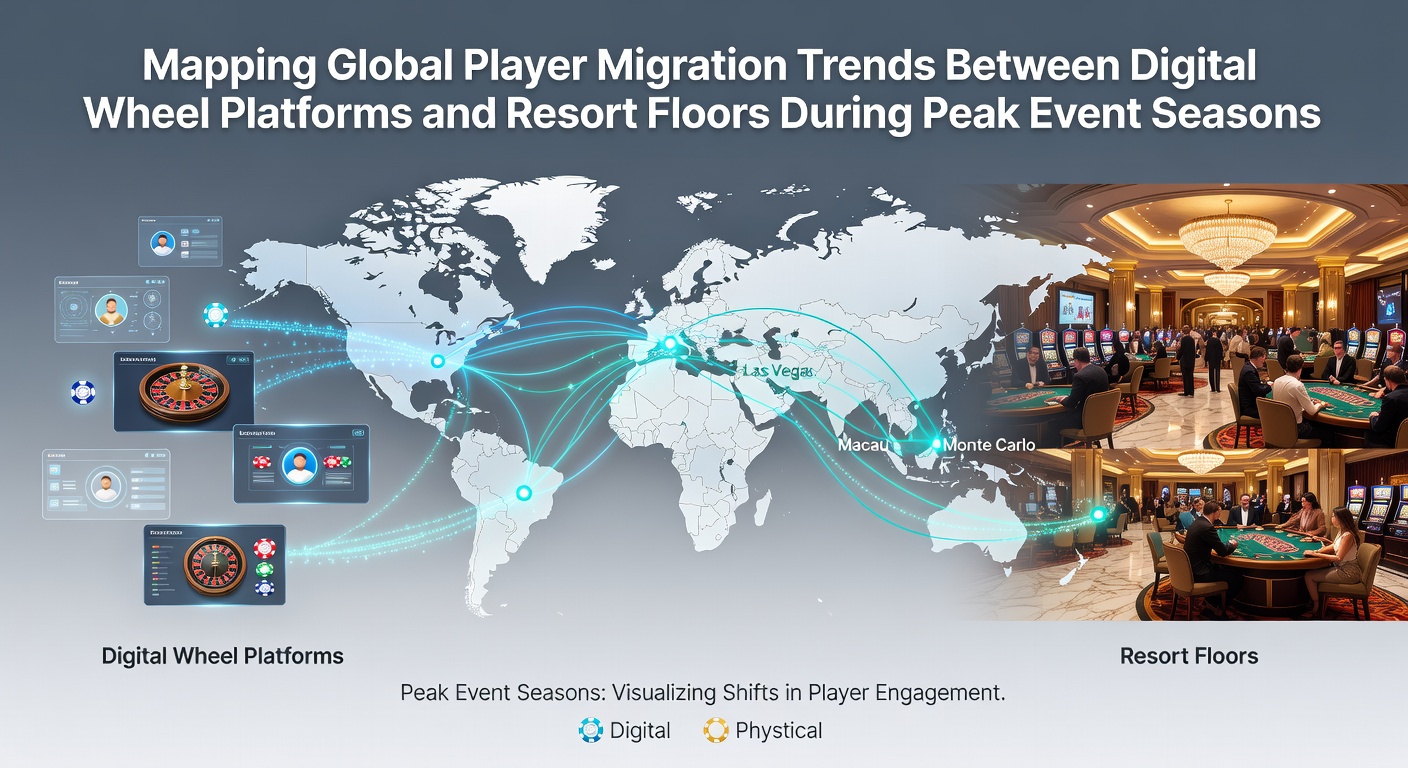
Player movement between digital wheel platforms and physical resort floors follows distinct patterns that intensify when major events draw crowds and heighten activity across gambling markets worldwide. Observers note that these migrations align with seasonal peaks such as international sports tournaments, holiday periods, and regional festivals, where demand for both remote access and on-site experiences rises simultaneously. Research indicates that participants often alternate between the two environments based on convenience, social factors, and event-driven incentives rather than fixed preferences.
Defining Peak Event Seasons and Their Influence
Peak periods typically coincide with large-scale occurrences like the Super Bowl in February, European football championships in summer, and various racing festivals throughout the year, while May 2026 saw additional surges tied to ongoing international qualifiers and early summer promotions at multiple destinations. During these windows, data shows increased logins on digital platforms alongside higher foot traffic at resorts in Las Vegas, Macau, and Atlantic City, yet the flows between them create measurable shifts. Analysts from the University of Nevada, Las Vegas Center for Gaming Research have tracked how players start sessions online for quick access during travel delays and then transition to resort floors for live tournaments or group activities once they arrive on site.
Patterns Emerging from Digital Wheel Platforms
Digital platforms experience spikes in roulette participation as users seek uninterrupted play from locations outside traditional casino regions, and figures from industry monitoring services reveal that traffic from mobile devices rises notably when public events limit physical mobility. Those who study these trends point out that features such as live dealer integrations and synchronized betting with televised sports keep participants engaged without requiring presence at a resort. In parallel, operators report that loyalty programs now link online accounts directly to resort rewards, encouraging seamless movement once players decide to visit in person for special event nights or high-stakes tables.
Shifts Toward Resort Floors During Events
Resort floors attract segments of the player base seeking atmosphere, dealer interaction, and immediate payout options that some digital interfaces cannot replicate, while data collected across North American properties shows occupancy rates climbing in tandem with event calendars. Experts have observed that international visitors often begin with digital practice sessions before committing to multi-day resort stays, particularly when events include ancillary activities like concerts or dining packages bundled with gaming credits. Australian Institute of Criminology reports on gambling behavior further highlight how regional festivals in Asia-Pacific markets drive similar crossovers, with players moving from online wheels accessed during commutes to casino complexes once they reach destination cities.
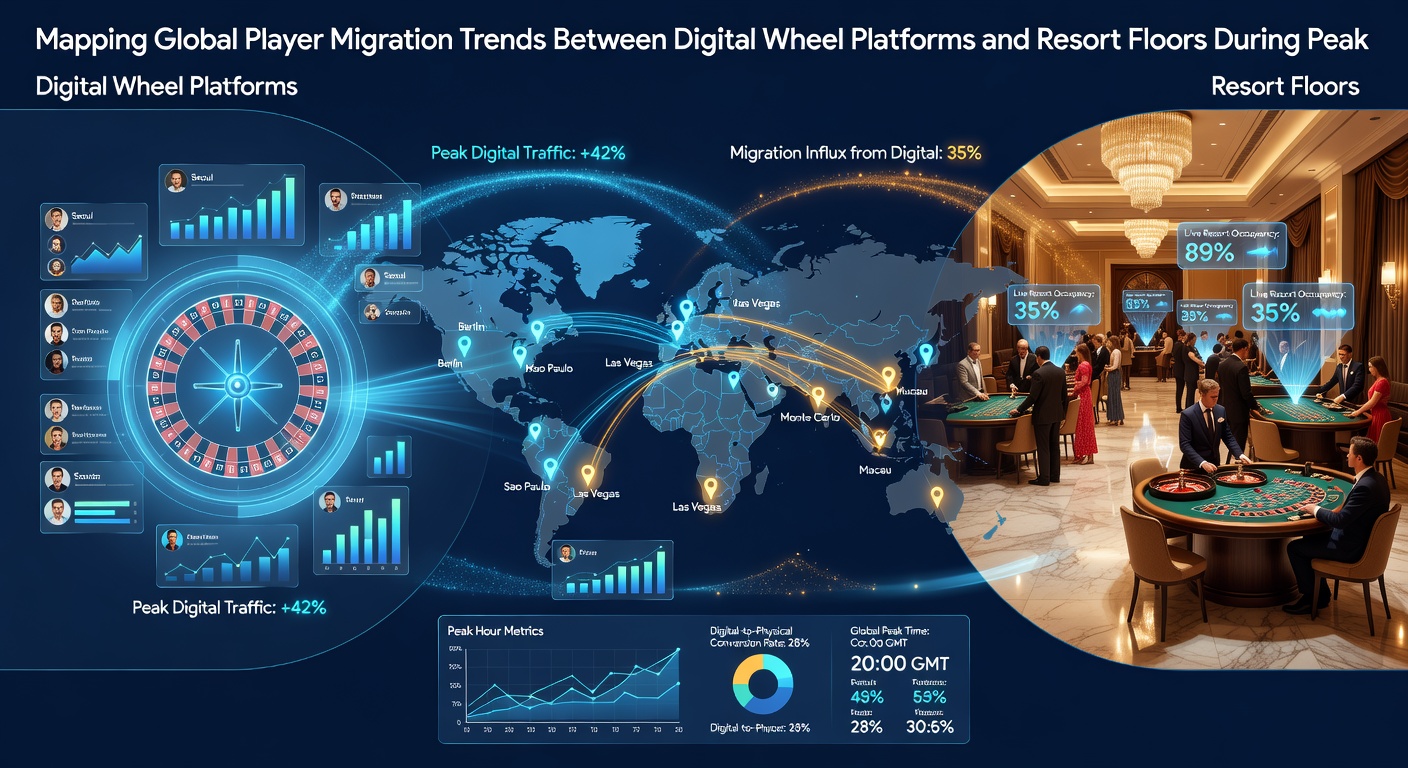
Geographic variations appear clearly in the data, as European markets demonstrate stronger digital retention due to regulatory frameworks that support remote play, whereas North American and Asian locations record higher physical migration rates when major events concentrate visitors in specific resort corridors. Observers note that transportation hubs near casino destinations see temporary increases in both app usage and walk-in registrations, creating feedback loops where one channel feeds the other.
Global Data Insights and Measurement Approaches
Comprehensive tracking relies on aggregated transaction records, device analytics, and cross-platform loyalty metrics that several regulatory bodies and research institutions compile annually. According to findings presented by the National Council on Problem Gambling in collaboration with academic partners, migration volumes during peak windows can exceed baseline figures by measurable percentages, though exact ratios fluctuate by jurisdiction and event type. Those who've examined longitudinal datasets emphasize that technological bridges such as unified wallets and real-time promotions accelerate these movements without forcing players into either environment exclusively. Industry associations including the American Gaming Association have documented how event calendars published months in advance allow operators to anticipate and prepare for teh dual-channel demand that defines these seasons.
Conclusion
Global player migration between digital wheel platforms and resort floors continues to evolve as operators refine integration tools and events maintain their draw across calendars. Evidence from multiple regions demonstrates consistent seasonal rhythms rather than permanent displacement of one channel by the other, with May 2026 serving as another illustration of how overlapping activities sustain balanced participation. Continued monitoring by research groups and regulatory agencies will likely refine understanding of these flows as new technologies and event formats emerge in coming years.