11 Jun 2026
Ergonomic Factors Driving Roulette Variant Choices on Handheld Platforms
 People who play roulette on smartphones and tablets often select variants based on how comfortably the interface fits their grip and thumb movements during extended sessions. European roulette layouts with fewer betting options tend to dominate selections on devices with screens under six inches because the reduced number of chips and numbers allows larger tap targets that match natural thumb arcs. Screen dimensions directly influence variant preference since American roulette wheels include an extra zero pocket and corresponding layout adjustments that crowd the betting grid. Research from mobile interaction studies shows users on compact handhelds switch to French roulette or simplified mini variants when repeated mis-taps occur near the edges of the zero and double-zero sections. These adjustments reduce the physical strain associated with precise selections in portrait orientation where one-handed play dominates. Device manufacturers have introduced curved-edge displays and variable refresh rates that affect how wheel animations register during spins. Players adapt by choosing variants that minimize rapid screen updates while maintaining clear number visibility. Data from handheld usage logs indicate shorter session lengths when interfaces force frequent grip shifts to reach corner bets in American-style grids.
Touch Target Sizing and Betting Grid Layouts
Thumb reach zones on handheld screens favor roulette variants with centralized betting areas rather than those spreading options across the full display width. Straight-up bets on single numbers require smaller active zones in American roulette so developers enlarge these areas by collapsing side panels that display statistics. This compression appears more frequently in European variants where teh single zero already simplifies the overall grid structure.
Multi-wheel roulette options gain traction on larger tablets because the additional wheels fit side-by-side without shrinking individual number cells below recommended touch size thresholds. Studies tracking finger placement accuracy reveal fewer errors when players use landscape mode on phablets yet the same users revert to single-wheel European formats when switching back to phones during commutes or breaks.
One-Handed Operation Patterns
Many handheld users operate devices with one thumb while holding the phone in the same hand so variants that cluster low-risk outside bets near the bottom of the screen see higher selection rates. French roulette rules that incorporate la partage mechanics appear in mobile interfaces through simplified toggle switches rather than additional pop-up menus. This design choice keeps the primary wheel and betting area within comfortable reach without requiring grip adjustments.
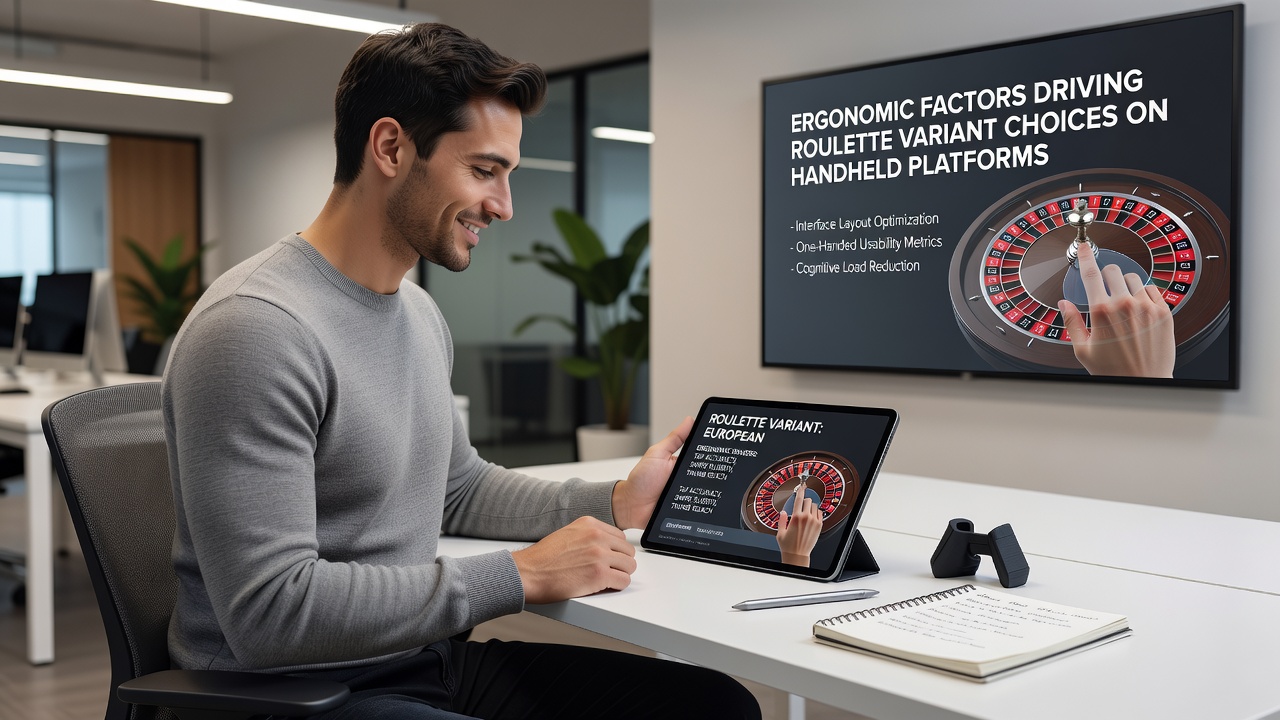 Observers note that quick spin buttons placed along the right edge align with natural right-handed thumb paths which explains why certain RNG-certified platforms default to European layouts on initial load for mobile users. Left-handed players encounter mirrored controls in some applications yet adoption data shows most continue using standard right-side configurations rather than switching variants entirely.
Cognitive Load and Visual Clarity on Small Displays
Number contrast ratios and font scaling play roles when users compare variants because American roulette grids contain more elements that demand constant visual scanning. Applications adjust payout tables dynamically based on detected screen size so French roulette with its neighbor betting options displays these features only on tablets where horizontal space permits clear labeling. On phones these same options collapse into expandable sections that users activate less frequently due to added taps.
Regulatory reports from the Nevada Gaming Control Board and the Australian Communications and Media Authority highlight increasing mobile traffic yet they also note interface testing requirements that address readability at various brightness levels encountered outdoors. These standards encourage platforms to prioritize variants with fewer visual layers during handheld sessions.
Orientation Switching and Session Continuity
Automatic rotation detection allows some applications to transition between European and multi-ball variants when users flip their device yet many players lock orientation to avoid accidental layout changes that disrupt ongoing bets. Data collected through June 2026 indicates steady growth in locked-portrait usage across mid-range Android devices where bezel sizes limit comfortable landscape thumb movement.
Conclusion
Ergonomic considerations continue shaping how roulette variants reach players on handheld platforms through measurable adjustments in target sizes, layout density and control placement. Industry reports from organizations such as the International Gaming Standards Association document these patterns across regions while academic work from institutions including the University of Nevada Reno examines physical interaction metrics. These factors guide developers toward configurations that match actual device handling behaviors rather than uniform desktop designs.