Behind the Scenes: High-Tech Studios Fueling Live Roulette Action
The Rise of Live Dealer Studios in Online Roulette
Live roulette took off when providers like Evolution Gaming and Pragmatic Play started building dedicated studios around the early 2010s, transforming solitary online spins into interactive experiences broadcast from physical tables; players now watch real dealers drop the ball on authentic wheels, all streamed in HD with minimal latency. These studios, often tucked away in secure facilities across Europe and Asia, handle thousands of simultaneous bets daily, blending casino authenticity with digital reach. Data from industry reports shows live dealer games grew by over 50% year-on-year through 2025, fueled by mobile streaming tech that lets users join from anywhere.
What's interesting is how these operations mimic land-based casinos yet scale globally; a single studio in Riga, Latvia, for instance, supports multiple language tables and serves players from Canada to Australia, with servers routing feeds through content delivery networks to keep delays under two seconds. Observers note that peak hours see studios lighting up with activity, dealers in crisp uniforms managing up to 100 hands per hour per table.
Inside the Studio: Cameras, Wheels, and Cutting-Edge Tech
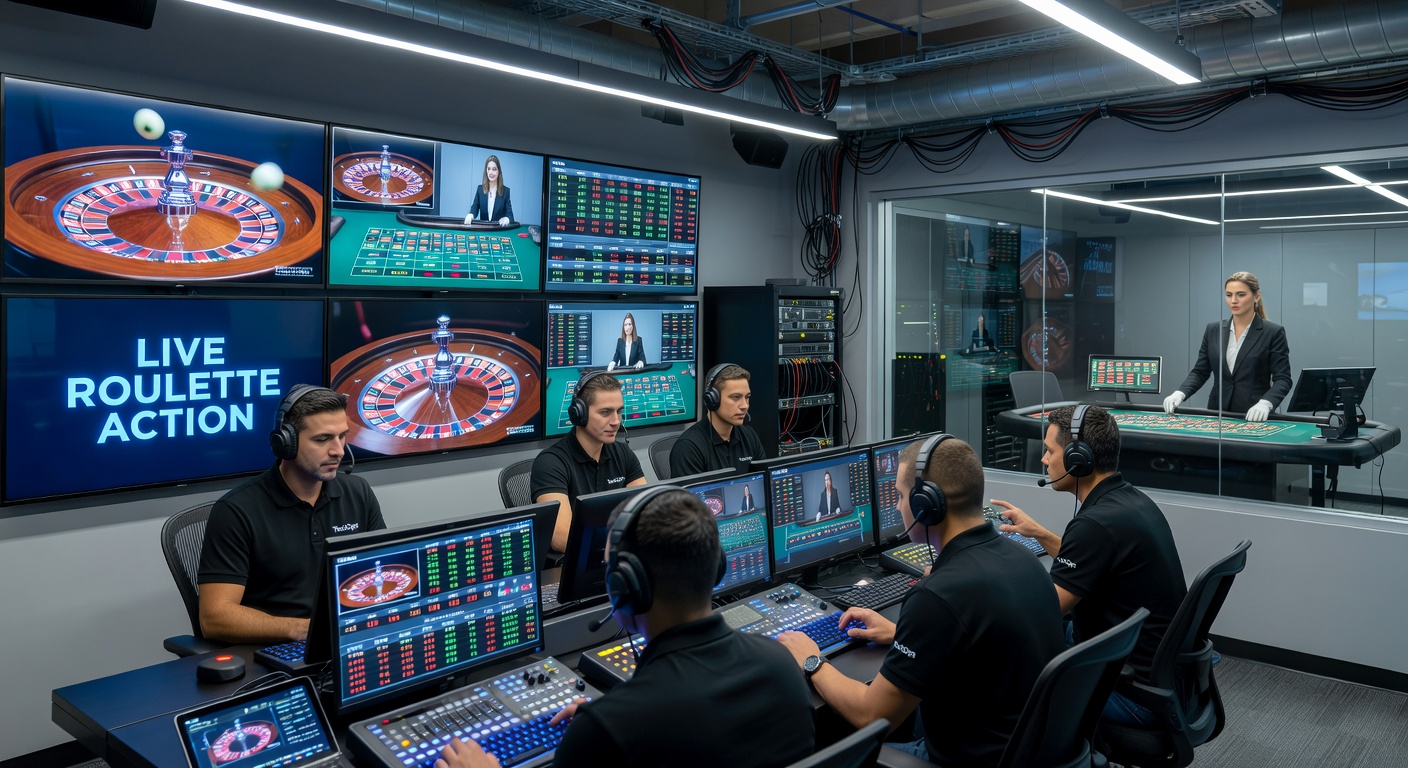
At the heart of every live roulette studio sits a roulette wheel crafted to exacting standards—often European single-zero models from manufacturers like TCs John Huxley—mounted on vibration-dampened platforms to ensure spins stay true; multiple high-definition cameras, some automated with AI tracking, capture every angle from overhead shots of the wheel to close-ups of the dealer's hands, while optical character recognition (OCR) software reads numbers instantly for on-screen results. Lighting rigs with LED arrays adjustable in color temperature eliminate glare and shadows, creating that crisp, casino-floor vibe players crave.
But here's the thing: software integrations tie it all together; platforms like those from Playtech sync dealer actions with backend RNG hybrids for side bets, ensuring outcomes remain verifiable even in live play. Technicians monitor feeds 24/7 from control rooms packed with racks of servers and encoders, tweaking bitrates on the fly to match player devices—4K for desktops, adaptive streams for phones. One case from a Nevada Gaming Control Board audit revealed how such setups passed rigorous latency tests, clocking under 1.5 seconds end-to-end during high-traffic simulations.
And the wheels? They're not just props; daily calibrations using laser levels and spin analyzers confirm balance, with data logged for regulatory reviews. Turns out, some studios even employ haptic feedback tech in development, vibrating player interfaces in sync with the ball's landing for added immersion.
Global Studio Hubs: From Malta to Manila
Studios cluster in gaming-friendly jurisdictions for tax perks and talent pools; Malta hosts over a dozen major facilities, drawing on EU talent while complying with strict standards, whereas Latvia's Baltic hubs like those in Riga churn out cost-effective streams thanks to lower overheads and skilled crews. Further afield, the Philippines' Entertainment City in Manila emerged as an Asian powerhouse post-2020, with studios there handling high-volume traffic from mobile-first markets in Southeast Asia.
Experts who've toured these spots highlight the layouts: multi-table floors segmented by game type, soundproofed booths for multilingual dealers, and green rooms where staff rotate shifts to maintain energy levels. Figures from the Malta Gaming Authority indicate licensed studios processed billions in wagers last year, with uptime exceeding 99.9% through redundant power and fiber optics. In April 2026, observers expect new expansions in Canada, where Ontario's iGaming market prompts studios to add North American-themed tables complete with bilingual hosts.
It's noteworthy that proximity to talent matters; Eastern European hubs tap multilingual graduates from hospitality programs, while Asian ones leverage 24-hour shifts aligned with global time zones, keeping action nonstop.
The Human Element: Dealers, Directors, and Tech Crews
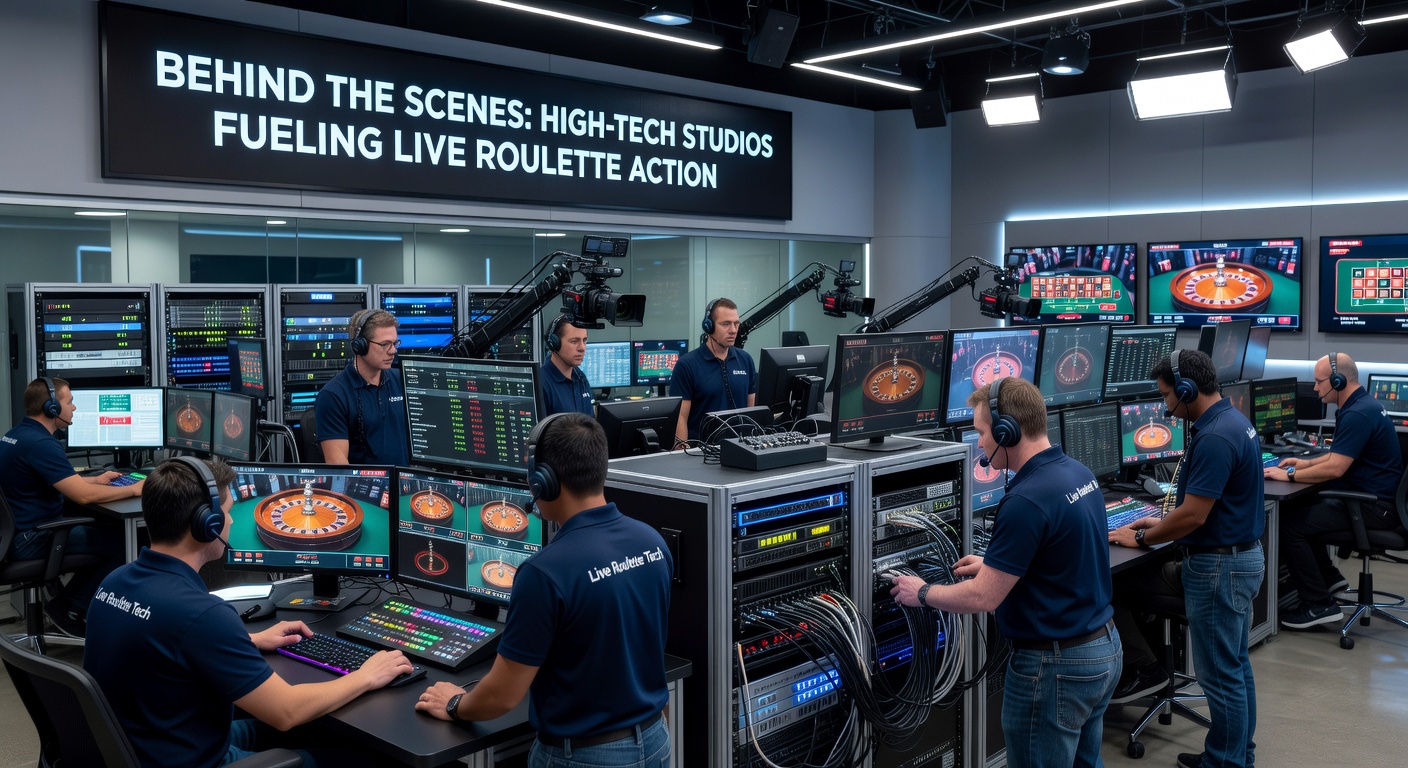
Dealers form the studio's pulse—trained pros who spin wheels with consistent force, chat via headsets to build rapport, and handle multi-wheel setups where one host oversees several tables simultaneously; rigorous onboarding includes weeks of simulations to nail phrasing like "No more bets" in accents tailored to regions. Behind them, video directors call shots in real-time, zooming on dramatic spins or panning to chat overlays showing player nicknames and bets.
Tech crews, often ex-broadcasters, troubleshoot glitches mid-stream—say, a camera fog from humidity—while data analysts pore over play patterns to optimize table limits. One study from researchers at the University of Malta found dealer retention hinges on rotation schedules that prevent burnout, with studios offering perks like on-site gyms and language classes. People who've shadowed shifts describe the rhythm: calm anticipation building to the clatter of the ball, then instant resets for the next round.
Yet challenges persist; cyber threats prompt constant firewall updates, and the pandemic accelerated remote monitoring tools that let directors oversee from home if needed.
Regulations, Audits, and Fair Play Assurance
Regulatory oversight keeps studios honest; bodies like the Alderney Gambling Control Commission mandate third-party audits of wheel biases and stream integrity, while eCOGRA certifications verify random outcomes through sampled spins. Data shows independent labs test thousands of revolutions quarterly, flagging any deviations beyond 1 in 37 for European wheels.
What's significant is the transparency tech; players see unedited feeds with timestamps, and blockchain pilots in some studios log every spin for immutable records. Australian regulators, via bodies like the NSW Office of Liquor & Gaming, have pushed for geofencing to restrict access, ensuring streams comply with local laws seamlessly.
In practice, this means studios segregate tables by jurisdiction—US-facing ones adhere to state-specific rules, avoiding prohibited features—while AI monitors for collusion patterns in real-time.
Innovations Pushing Live Roulette Forward
Studios evolve fast; 4K and 360-degree cameras rolled out widely by 2024, letting players "choose their view" via interactive overlays, and now AR enhancements project stats onto feeds without cluttering the action. Pragmatic Play's recent dual-camera wheels, for example, split-screen the drop and landing, boosting engagement per session data.
AI steps in too—not for outcomes, but for personalization; algorithms suggest table speeds based on player history, while chatbots handle routine queries to free dealers. Looking to April 2026, prototypes from Evolution hint at VR pods where users "sit" at virtual tables linked to physical studios, bridging digital and real worlds further.
Case in point: a Swedish studio's 2025 trial integrated haptic vests for select VIPs, syncing vibrations with wheel revolutions; feedback loops refined it quickly, paving the way for broader rollout.
Challenges and the Road Ahead
Scaling brings hurdles like bandwidth strains during peaks—think World Cup finals spiking traffic—and talent shortages in niche languages, but cloud migrations and AI training programs address them head-on. Energy demands from server farms also draw scrutiny, with green initiatives like solar backups in Maltese studios cutting footprints.
That said, growth projections remain bullish; industry forecasts peg live roulette streams at 30% of online table play by 2027, driven by these high-tech nerve centers.
Wrapping Up the Studio Story
High-tech studios stand as the unsung engines of live roulette, merging precision engineering, skilled humans, and global regulations into seamless entertainment that rivals any Vegas floor; from camera rigs to compliance logs, every detail ensures trust and thrill. As innovations like VR loom in April 2026 and beyond, these hubs will keep evolving, delivering spins that feel closer than ever. Players tuning in get more than a game—they witness a finely tuned operation humming in the background, spin after spin.