24 May 2026
Analyzing Architectural Inspirations from Classic European Gaming Halls in Contemporary Online Interfaces
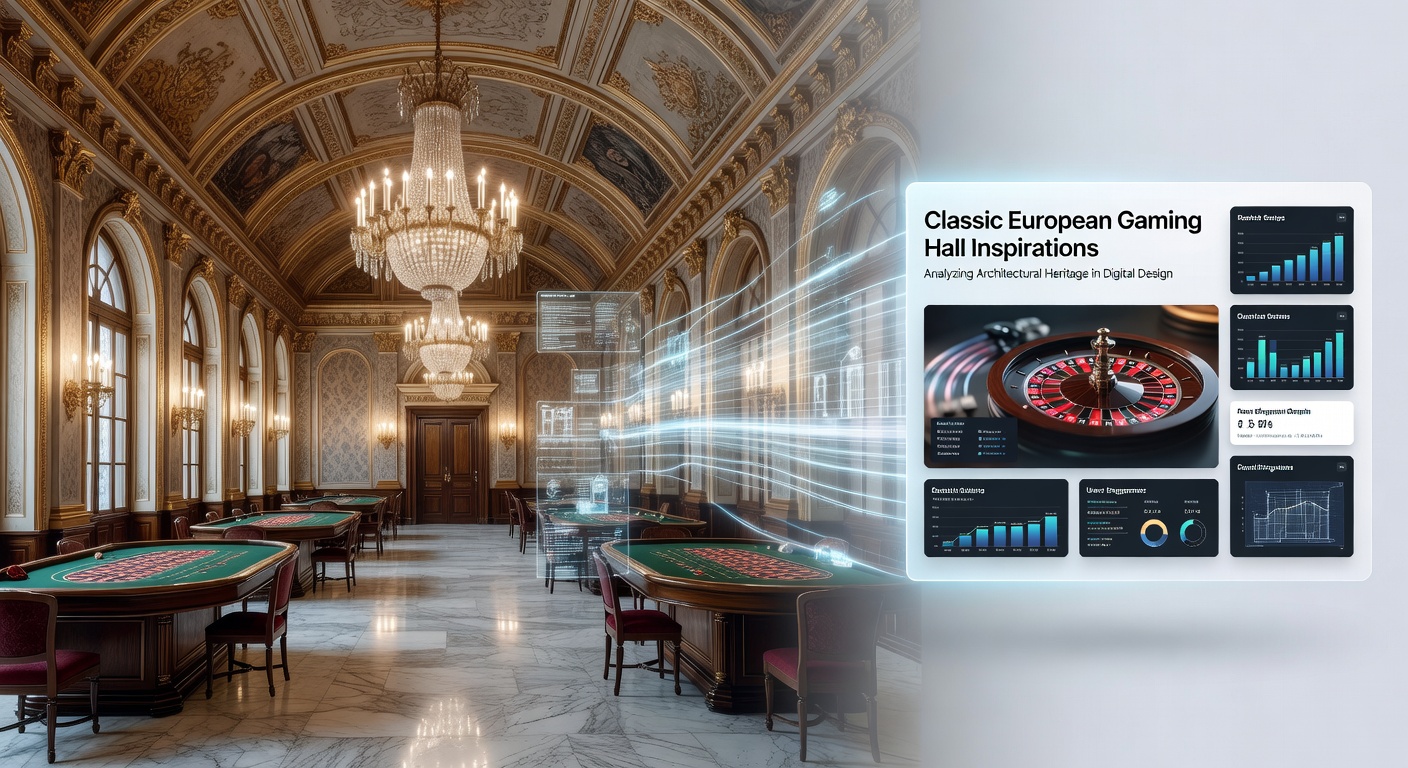
Classic European gaming halls such as the Casino de Monte-Carlo and the Spielbank Baden-Baden established architectural standards that continue to shape digital environments today. Designers examine vaulted ceilings, symmetrical layouts, and rich material palettes from these 19th-century structures before translating them into navigation flows, color schemes, and visual hierarchies for online platforms. Research from the European Institute for Design indicates that interface teams frequently reference floor plans of historic halls when arranging menu sections and lobby spaces.
Core Elements Drawn from Historic Venues
Marble surfaces and crystal chandeliers appear in physical halls as status symbols and light sources. Contemporary interfaces replicate these through gradient textures, reflective buttons, and animated light particles that mimic chandelier refractions across a screen. Observers note that many platforms position central game-selection areas where a grand salon table once stood, creating focal points that guide users along predetermined visual paths. Gold leaf accents and deep burgundy tones from original interiors translate directly into accent colors and hover states, while arched entryways become rounded menu borders that soften transitions between sections.
Structural Parallels in Digital Layouts
Physical gaming halls organize space through long sight lines and sequential rooms that move visitors from reception areas into gaming zones. Online equivalents follow similar sequences: landing pages function as entry foyers, while lobby grids echo the arrangement of gaming tables across a salon floor. A 2024 study conducted by the University of Melbourne’s Digital Heritage Lab found that platforms using axial symmetry in their grid systems recorded higher session continuity rates compared with asymmetrical layouts. Those findings align with documented traffic patterns inside the historic halls, where visitors naturally followed central aisles toward prominent tables.
Lighting and Atmosphere Adaptation
Lighting in European halls relied on layered sources including natural windows, wall sconces, and overhead fixtures to create intimate gaming pockets within larger volumes. Digital versions employ layered shadows, soft glows around active panels, and subtle vignette effects that darken peripheral areas. Platforms updated in early 2025 incorporated dynamic background lighting that shifts intensity based on time-of-day settings, echoing how natural light changed throughout an afternoon at venues like the Casino Estoril in Portugal. Data collected by the Canadian Interactive Design Association shows that these lighting adjustments reduce reported eye strain during extended sessions.
Ornamental details such as friezes and column capitals now appear as subtle border motifs or loading indicators. One platform introduced column-inspired dividers between game categories in March 2025, directly referencing the Corinthian capitals inside the Monte-Carlo atrium. Such elements maintain visual continuity while remaining functional at smaller screen sizes.
Regional Variations and Contemporary Updates
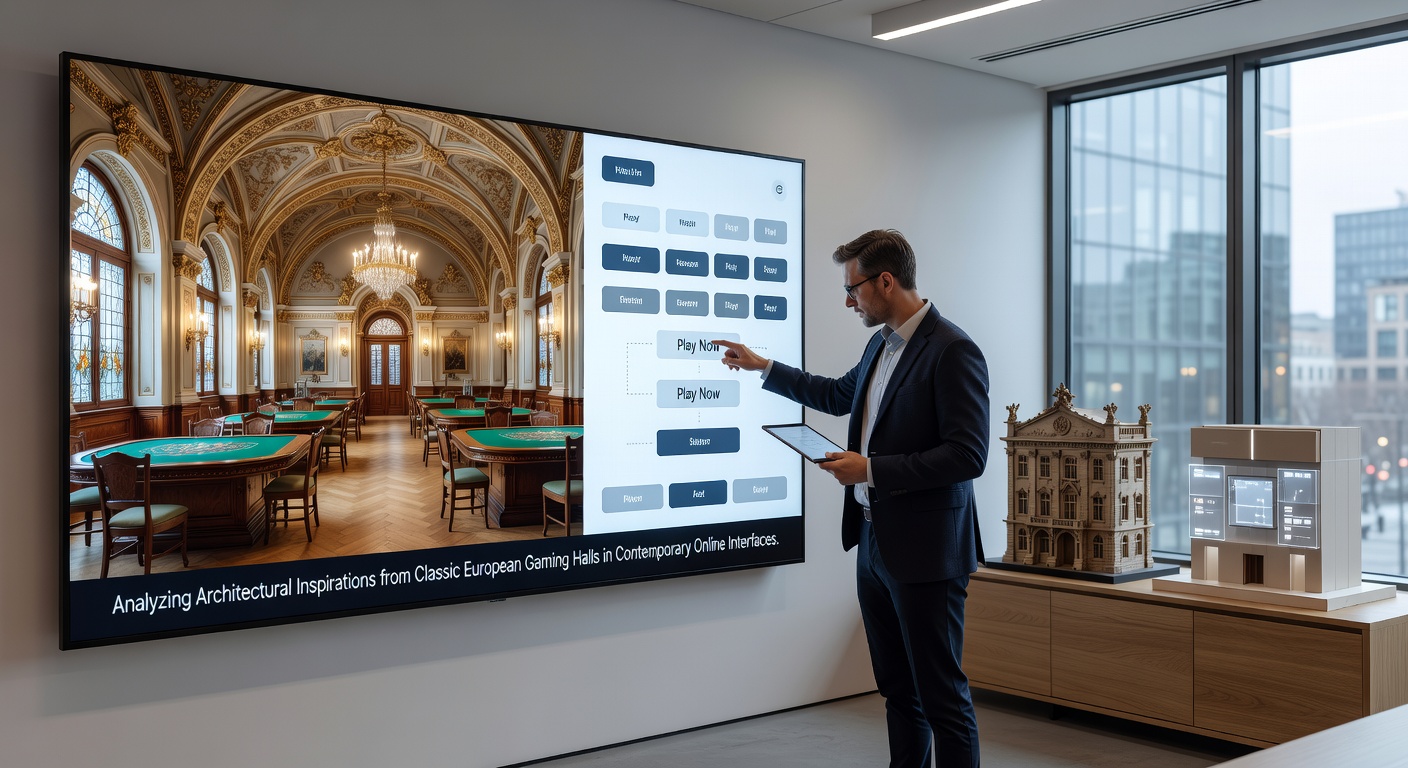
Design teams in different regions emphasize distinct aspects of the European precedent. Northern European studios often highlight clean lines and restrained ornament drawn from Scandinavian-influenced halls, whereas Mediterranean teams retain richer color saturation and intricate patterning. In May 2026 several platforms based in Australia plan to release refreshed interfaces that incorporate both approaches, blending the restrained symmetry of Baden-Baden with the warmer palette of southern venues. These updates follow guidelines issued by the Australian Communications and Media Authority concerning accessibility and visual clarity.
Navigation structures also borrow from the sequential room model. Users progress from a wide lobby view into narrower, focused panels that present individual games, mirroring movement through connected salons. This progression reduces cognitive load because each step presents fewer choices than the previous screen, a principle documented in historic visitor circulation studies preserved by the French Ministry of Culture.
Conclusion
Contemporary online interfaces continue to reference the spatial logic, material language, and lighting strategies of classic European gaming halls. The translation process preserves functional organization while adapting ornamental motifs to pixel-based environments. As platforms prepare further revisions scheduled for 2026, the core architectural vocabulary established in the 1800s remains a primary reference point for designers seeking both visual richness and intuitive flow.